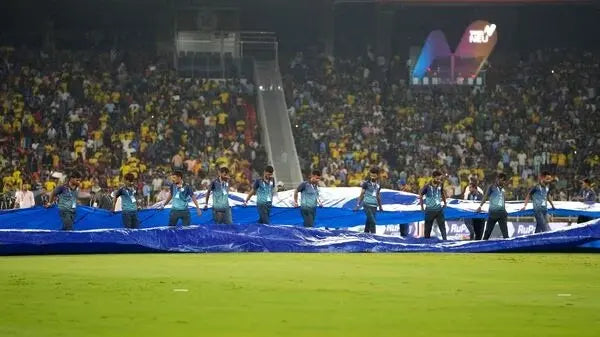
Cricket is a game that's deeply dependent on weather conditions. Rain can sometimes bring a halt to a thrilling match, but fear not! The DLS (Duckworth-Lewis-Stern) method ensures that rain-affected matches can still be decided fairly. In this post, we’ll dive into how the DLS method works and how it has revolutionized the way rain-affected cricket games are handled.
### What is the DLS Method?
The DLS method is a mathematical formula used to calculate the target score for the team batting second when rain interrupts a limited-overs match. The formula adjusts the target based on the number of overs that have been bowled and the number of wickets lost by the batting team. The aim is to create a fair contest by ensuring that both teams have an equal opportunity to win, even when weather conditions play a role.
### How Does DLS Work?
Under normal conditions, both teams get the full number of overs, but rain can reduce the overs available. The DLS method uses a complex set of tables and formulas to recalculate the target score when overs are lost. The formula takes into account the resources available to the chasing team in terms of both overs and wickets remaining. This ensures that a team that has lost fewer wickets or has more overs available will have an advantage, reflecting the greater potential to reach the target.
### Example: A Practical Application of DLS
Let’s look at an example:
A match between Team A and Team B is scheduled for 50 overs per side. Team A scores 250 runs in 50 overs. Due to rain, Team B is only given 35 overs to chase the target. Using the DLS method, the target will be adjusted based on the loss of overs and the resources available to Team B. If Team B has lost only 1 wicket during their chase, their target will be recalculated to ensure they still have a reasonable chance of winning.
### Key Points to Remember About DLS
- DLS is used only in limited-overs matches (ODIs and T20s),
- The method takes into account overs lost and wickets remaining to determine a fair target,
- The calculation is done using predefined tables, which can be accessed by the umpires and officials during the match.
### Conclusion
Rain delays in cricket can be frustrating, but thanks to the DLS method, teams still have a fair chance to win under reduced overs. The method is an important tool that ensures matches are decided based on skill rather than the luck of weather conditions. The next time a game is affected by rain, you'll know how the DLS method works and why it’s crucial in creating a level playing field.