History of Cricket: From English Fields to a Global Sporting Empire
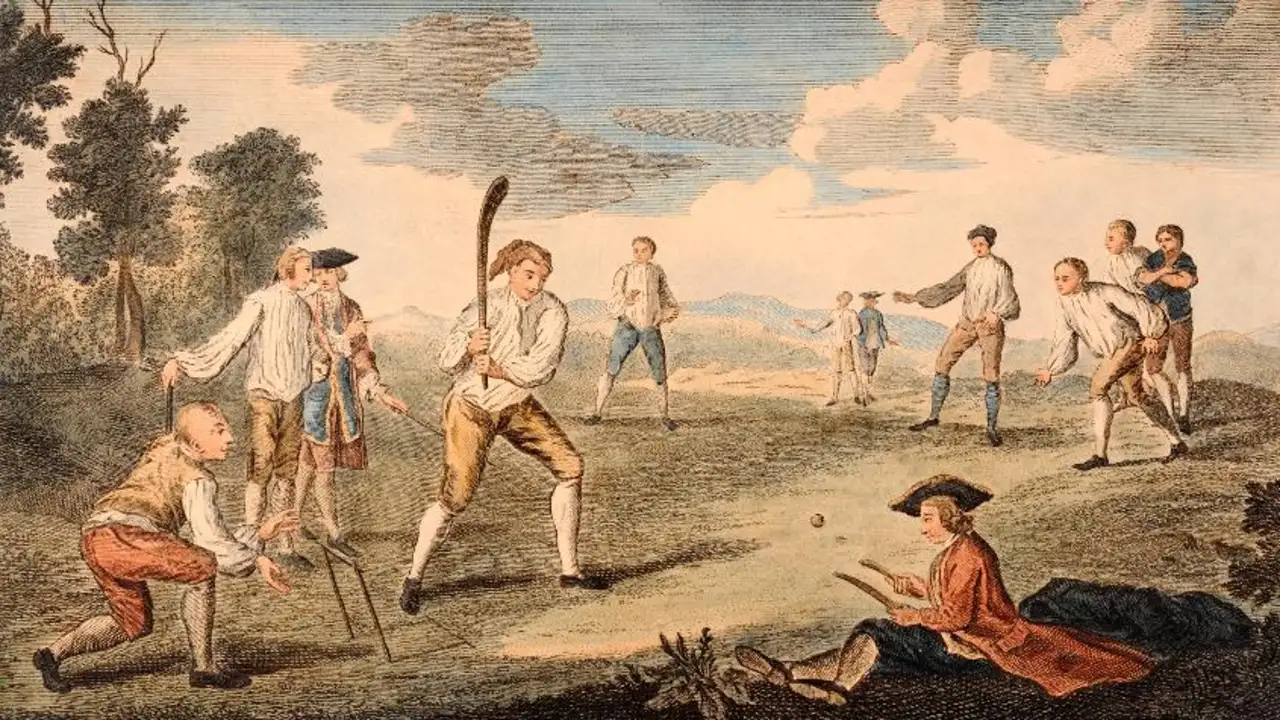
Cricket did not begin in packed stadiums or under bright floodlights. It began in quiet English villages, where children played with wooden sticks and handmade balls in open meadows.
Today, cricket is one of the most popular sports in the world, followed by more than 2.5 billion fans across continents. From England to India, from Australia to Pakistan, cricket has evolved into a sport that influences culture, business, and national identity.
The Origins of Cricket in England
The earliest recorded reference to cricket dates back to 1598 in southern England. Historians believe the game was first played by children in rural communities during the 16th century.
By the 17th century, cricket had become popular among adults. Wealthy landowners began organizing matches, and betting on games became common — helping formalize early rules.
A major turning point came in 1787 with the formation of the Marylebone Cricket Club (MCC) at Lord’s Cricket Ground in London. The MCC established and maintained the official Laws of Cricket, transforming cricket into a structured and respected sport.
Cricket Spreads Across the British Empire
As the British Empire expanded in the 18th and 19th centuries, cricket traveled with soldiers, traders, and administrators. Countries such as India, Australia, South Africa, West Indies, and New Zealand embraced the sport and developed their own cricketing traditions.
The first international cricket match was played in 1844 between the United States and Canada. However, the birth of elite international cricket came in 1877, when England faced Australia in the first-ever Test match in Melbourne.
The Birth of Test Cricket
Test cricket is the oldest and most traditional format of the game, played over five days. It demands technical skill, patience, endurance, and mental strength.
After the inaugural Test in 1877, more nations joined international cricket, including South Africa (1889), West Indies (1928), New Zealand (1930), India (1932), and Pakistan (1952).
Legends such as Don Bradman, Sachin Tendulkar, Brian Lara, and Jacques Kallis defined greatness in this format and set records that shaped cricket history.
The Evolution of One Day International (ODI) Cricket
In 1971, cricket introduced a shorter format known as One Day Internationals (ODIs). Each team was limited to a fixed number of overs, making matches faster and more result-oriented.
The launch of the Cricket World Cup in 1975 revolutionized the sport globally. The tournament became one of the most prestigious events in cricket. India’s historic 1983 World Cup victory inspired a new generation of cricketers and fans.
ODIs introduced colored jerseys, day-night matches, and massive global television audiences, turning cricket into a commercial powerhouse.
The T20 Revolution
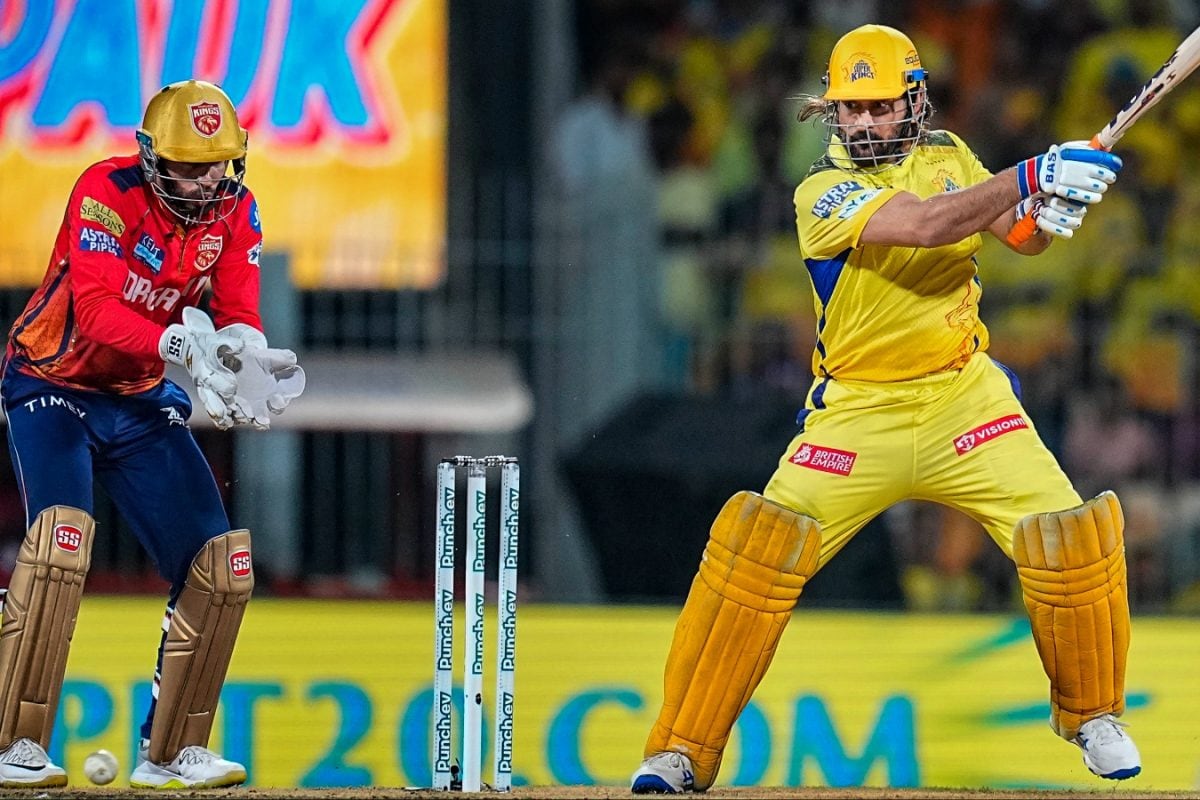
The early 2000s witnessed another transformation with the introduction of Twenty20 (T20) cricket. Matches were reduced to just 20 overs per side, making the format fast-paced and entertainment-driven.
The first official T20 international was played in 2005. The format gained worldwide popularity after the 2007 ICC T20 World Cup.
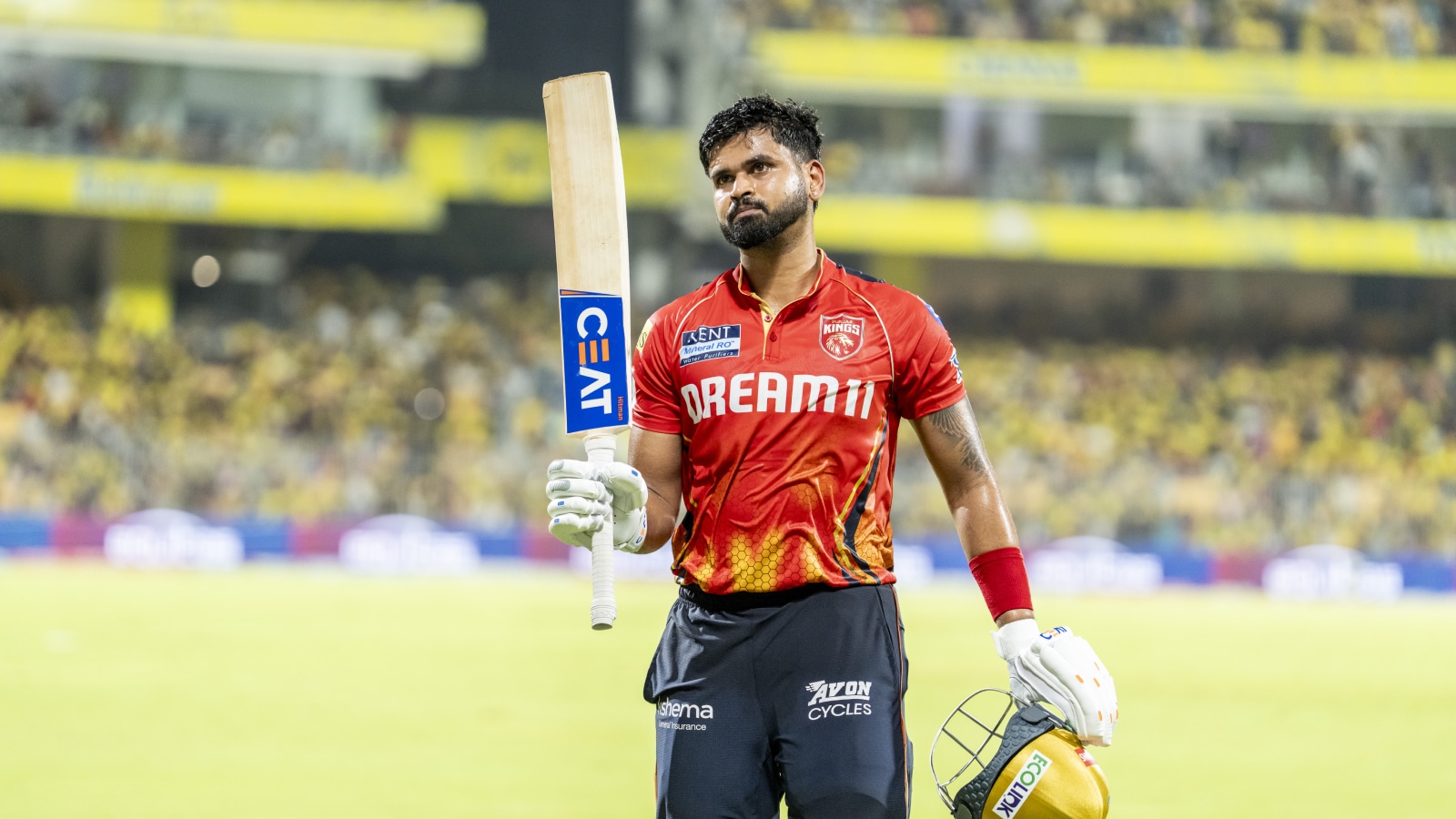
In 2008, the Indian Premier League (IPL) was launched, introducing a franchise-based system and global player auctions. The IPL quickly became one of the richest and most watched cricket leagues in the world.
The Role of the International Cricket Council (ICC)
The International Cricket Council (ICC), founded in 1909, governs international cricket and oversees more than 100 member nations.
The ICC organizes major tournaments such as the Cricket World Cup, ICC T20 World Cup, and ICC Champions Trophy, attracting billions of viewers worldwide.
Cricket’s Cultural and Economic Impact
In countries like India and Pakistan, cricket is more than a sport — it is an emotion. Major matches bring entire nations together.
Cricket has created multi-billion-dollar media industries, global sponsorship markets, and international sports icons. Emerging nations like Afghanistan and Ireland continue to strengthen the sport’s global reach.
The Future of Cricket
With technological advancements like DRS and Hawk-Eye, expanding global leagues, and cricket’s return to the Olympic Games, the future of the sport looks brighter than ever.
From English village greens to massive stadiums across Asia and Australia, cricket’s journey is a story of growth, innovation, and global unity.
Conclusion
The history of cricket reflects the evolution of sport itself — adapting to new generations while preserving tradition. From Test matches to T20 leagues, cricket continues to inspire billions of fans worldwide.